Discover Cabeceiras de BastoFree independent guide
ViveCabeceirasYOUR GUIDE TO CABECEIRAS
ENEnglish
SearchSaved
A MOMENT TO EXPLORE

Reading journeys

Follow a series of stories at your own pace.

Choose a topic or filterParish, reading time and activities

Start with the news →

6 reading journeys

Change options ↑
See all journeys →
Browse by title · 6 reading journeys
10 stories · about 10 min

Follow the water in a picture of 1758

Ten readings accompany the water in the memories of 1758: cultures, margins, mills and differences between parishes. Vila Nune's account also looks at Atei, on the other side of Tâmega. Compares what each author observed, without turning the documents into visiting maps.

Start with the matching story →
More about this reading journeyStart from the beginning →Read the whole journey →
What am I gonna find out?
  1. Storing water from the hillside
  2. Two rivers lost their names
  3. Two streams kept six mills working
  4. A river that powered mills but did not irrigate
  5. Work could be seen on the opposite bank
  6. Two rivers meet at Ranha
  7. Water irrigated fields and made olive oil
  8. Bridges put to the winter test
  9. Trout, nase and chub in the river’s memory
  10. The river became part of farming life
Activities to try7 activities
Back to titles ↑
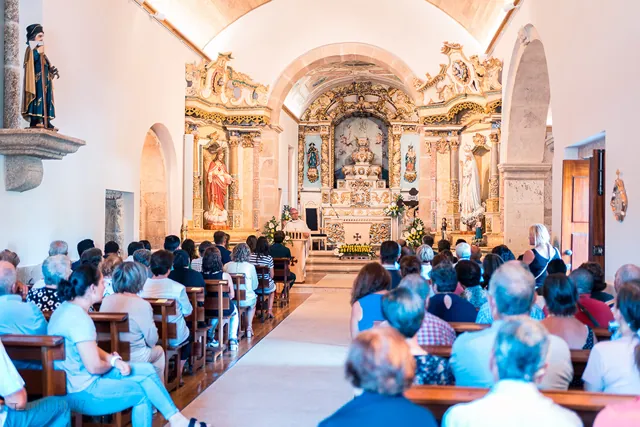
Interior of Santa Senhorinha church.
ⓘ

Interior of Santa Senhorinha church.

Source: Visit Cabeceiras — Município de Cabeceiras de Basto

View source

Photograph date not stated.

Individual photographer and reuse licence not stated by the source.

Request removal or correct the photo credit

7 stories · about 6 min

Santa Senhorinha: water, encounters and memory

Seven stories to link the river to the fields, bridges, fairs and news. Explore the links between readings and set up a mail calendar of 1758. The old documents keep their dates; do not announce current services or parties.

Start with the matching story →
More about this reading journeyRead the whole journey →
What am I gonna find out?
  1. The river became part of farming life
  2. Not every bridge was made of stone
  3. Olela had days for gathering
  4. When parishes came together
  5. A church told through images
  6. Bread, wine and olive oil in a portrait of the land
  7. News depended on Raposeira
Activities to try4 activities
Back to titles ↑
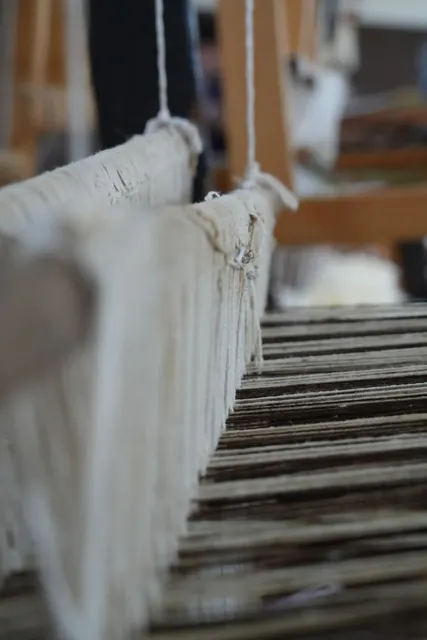
Loom and threads at Casa da Lã in Bucos.
ⓘ

Loom and threads at Casa da Lã in Bucos.

Source: Municipality of Cabeceiras de Basto

View source

Photograph date not stated.

Individual photographer and reuse licence not stated by the source.

Request removal or correct the photo credit

8 stories · about 7 min

The hand-made mountains

Eight stories about between help, water, harvests, wool, fabrics and materials of the houses. Find out how the work connected the villages to the fairs and try to organize a wheel of shifts on paper. It is a reading route, without displacements.

Start with the matching story →
More about this reading journeyStart from the beginning →Read the whole journey →
What am I gonna find out?
  1. The herd was the village’s concern too
  2. Water had its turn
  3. Maize left its mark on the village
  4. Clothing for mountain life
  5. Textiles that left the village
  6. Water worked the wool too
  7. Stone walls, thatched roofs
  8. Learning a craft beside a master
Activities to try6 activities
Back to titles ↑
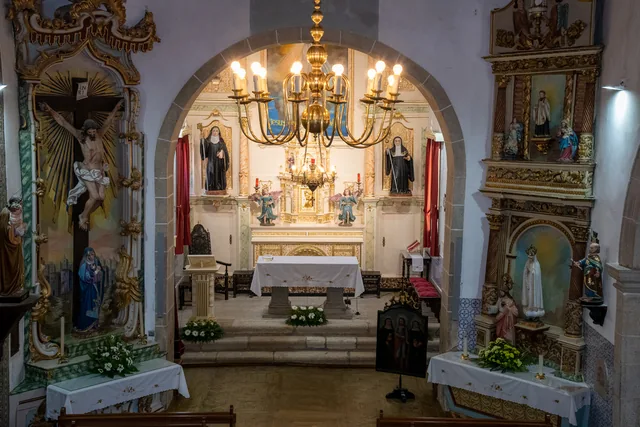
Interior of the church of São Tiago da Faia during the celebration documented by the Archdiocese in 2022.
DACS
ⓘ

Interior of the church of São Tiago da Faia during the celebration documented by the Archdiocese in 2022.

Fotografia: DACS

View source

Photograph date not stated.

Fotografia creditada como DACS na notícia da Arquidiocese; licença de reutilização não identificada.

Request removal or correct the photo credit

12 stories · about 11 min

To Faia, between trades and devotions

Twelve stories to get to know Faia: the sixteen places told in 1758, agriculture, tannaria, manual footwear, chapels and the recent care of the heritage. Comparing names and testimonies, explores photographs and goes to the records of the church and the Lady of Amparo. Reading route, without indicating a visit itinerary.

Start with the matching story →
More about this reading journeyStart from the beginning →Read the whole journey →
What am I gonna find out?
  1. A road helps explain Faia
  2. A parish told through sixteen settlements
  3. Tojeira did not stand still in one century
  4. In Faia, fruit matters too
  5. Wood holds the wine too
  6. In Faia, hands made footwear too
  7. Chapels among hills and houses
  8. Five altars to read a church
  9. A stream with a date to keep
  10. A year of work, a church reopened
  11. Roots and light renew a chapel
  12. The year was counted in fairs too
Activities to try7 activities
Back to titles ↑
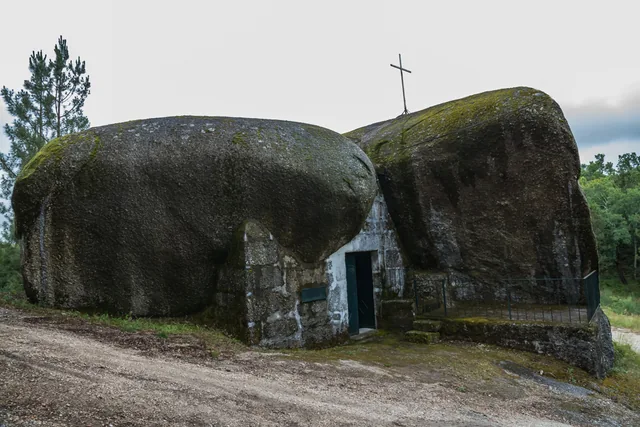
Santa Catarina chapel between granite boulders.
ⓘ

Santa Catarina chapel between granite boulders.

Source: Visit Cabeceiras — Município de Cabeceiras de Basto

View source

Photograph date not stated.

Individual photographer and reuse licence not stated by the source.

Request removal or correct the photo credit

11 stories · about 7 min

Alvite: from fields to memory

Eleven readings link fields, water, work, fair, justice, church and chapels of Alvite. It compares the strength of animals with the uses of water and the different charges of places of worship. The memories of 1758 preserve their time; the sequence does not indicate a walk.

Start with the matching story →
More about this reading journeyStart from the beginning →Read the whole journey →
What am I gonna find out?
  1. There was more than maize in the fields
  2. Orada changed from summit to valley
  3. Storing water from the hillside
  4. When animals powered the oil mill
  5. The bulls came from Barroso
  6. One place, two jurisdictions
  7. The earthquake entered Alvite’s account
  8. Orada was grazing land too
  9. Three altars in one nave
  10. Six chapels, different responsibilities
  11. A chapel against the rock
Activities to try8 activities
Back to titles ↑
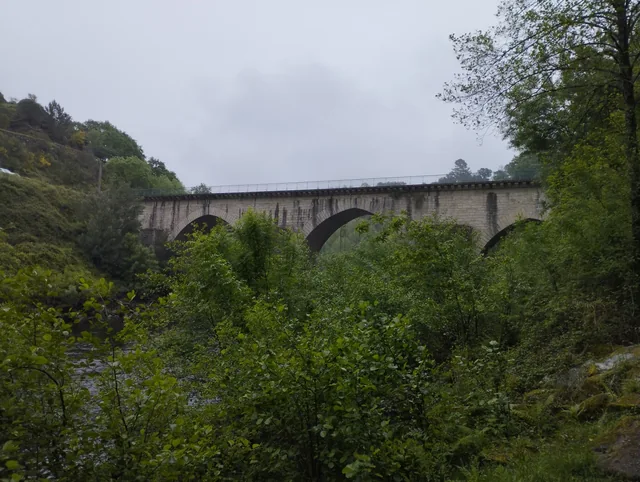
Arches of Ponte de Cavez seen from the riverbed.
ⓘ

Arches of Ponte de Cavez seen from the riverbed.

Source: Museu das Terras de Basto

View source

Photograph date not stated.

Individual photographer and reuse licence not stated by the source.

Request removal or correct the photo credit

8 stories · about 8 min

Cavez: from bridge to village life

Eight stories to accompany the bridge over the centuries and enter the lives of the villages. Opens the chronology, distinguishes legend and document and discovers chapels, mail, mills and coal. It is a route of reading, without indicating a pedestrian itinerary.

Start with the matching story →
More about this reading journeyStart from the beginning →Read the whole journey →
What am I gonna find out?
  1. Five arches, more than one era
  2. The voice that said to build further upstream
  3. A bridge that earned praise
  4. Eight settlements and six chapels
  5. A river that powered mills but did not irrigate
  6. The mountains supplied charcoal too
  7. Conserving a bridge also makes history
  8. To the pilgrimage, clogs in hand
Activities to try6 activities
Back to titles ↑
YOUR LOCAL GUIDE

What would you like to discover?

Take a closer look.