Discover Cabeceiras de BastoFree independent guide
ViveCabeceirasYOUR GUIDE TO CABECEIRAS
ENEnglish
SearchSaved
CHOICE · EXPERIMENTARY · TAKE

A notebook.
Your findings.

Up to six proposals of Cabeceiras, in your own order, to do it at home, in company or on a break.

3 de 6 propostas escolhidas · faça-as ao seu ritmo.

PROPOSTA 1 DE 3 · Read the landscape through the plants

Follow the leaf margin

Local observation · Rio Douro · general botany

Not every leaf is equally prickly

Mentioned for Cabreira by Visit Cabeceiras, Ilex aquifolium has evergreen leaves. The Gulbenkian profile describes spiny edges, sometimes smooth on older branches or plants. Red fruits appear on female plants and are toxic. Observe them without picking or tasting them. According to Gulbenkian, flowering generally takes place from April to June; fruits ripen in late summer and can remain through winter. The small white flowers are less conspicuous than the fruits. Holly is dioecious: there are male and female plants. This distinction helps explain why not every plant bears red fruit. It is a slow-growing shrub that can live for more than a century. Gulbenkian describes it in oak woods and scrub, often on shady, damp slopes with slightly acidic soils rich in organic matter. Observing the plant therefore also means looking at its surroundings, as well as its leaf outlines. The photograph by DVG, recorded on 2026-04-03, shows this species in Rio Douro. Open the observation to compare visible details with the botanical description. The record documents that encounter; it does not mean the plant will always be visible in the same place.

Vamos experimentar?

  1. Opens the photograph of Rio Douro and chooses two very visible leaves.
  2. Draw the contour of each one and mark the tips you can distinguish.
  3. Compared to the description: Does this image allow us to conclude that all leaves of all mistletoe have the same outline?

An exploration of the photograph, without collecting plants. The image documents a moment, not all the characteristics of the species.

Open a história e os seus recursos →
Sources of this proposal

My findings

An idea, a drawing or a question to go on.
PROPOSTA 2 DE 3 · Read the landscape through the plants

Try observing

Hillside crops · olive botany

One leaf, two sides

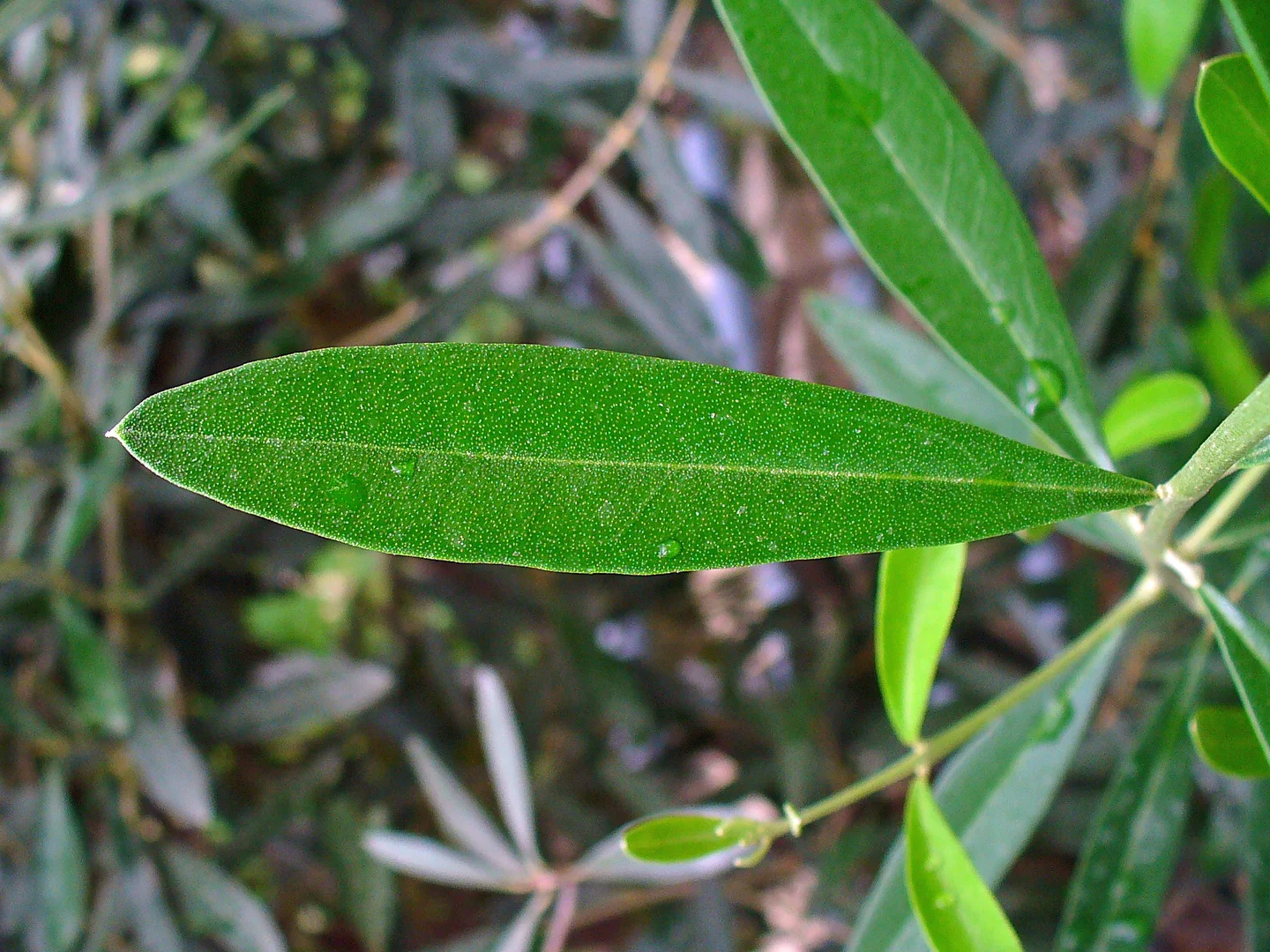
The municipality’s landscape description includes olive trees on the hillsides of Cabeceiras. The cultivated olive has leaves that are grey-green above and silvery-grey beneath, where hairs grow. Its small flowers have four white petals joined at the base. The fruit is the olive, an oil-rich drupe. The University of Évora’s description follows the change from green to reddish and dark shades during ripening, but also mentions forms that remain green when ripe. Colour alone does not tell the fruit’s whole story. The connection from tree to olive oil continues in the story of the Ramil oil mill. The profile distinguishes the cultivated olive from its wild form, known in Portuguese as zambujeiro. The latter is described as having smaller leaves and fruits and thorny lower branches. This comparison shows why a single feature, such as the silvery underside of a leaf, does not explain every difference. The olive is evergreen: it retains foliage throughout the year. You can therefore return to the same tree in different seasons and compare leaves, flowers and fruits, without expecting to find them all at once.

An elongated green olive leaf with a pale central vein and other leaves behind it.
An olive leaf photographed in Stutensee, Germany, in 2011. Botanical illustration, not an observation from Cabeceiras. This view does not show both sides of the same…Illustrative photograph · outside the municipality
H. Zell
ⓘ

An olive leaf photographed in Stutensee, Germany, in 2011. Botanical illustration, not an observation from Cabeceiras. This view does not show both sides of the same leaf.

Photography: H. Zell · CC BY-SA 3.0

View source

Date given at source: .

Request removal or correct the photo credit

Vamos experimentar?

  1. Observes the photograph: draw the contour and the central nerve of the sheet.
  2. The image does not show the two sides of the same sheet. Separate what you see from what the text explains on the lower face.
  3. If you observe an olive tree throughout the year, record separately leaves, flowers and fruits, without taking off material.

An activity to try at your own pace, without collecting specimens.

Open a história e os seus recursos →
Sources of this proposal

My findings

An idea, a drawing or a question to go on.
PROPOSTA 3 DE 3 · Travel through time

Try observing

Gondiães and Vilar de Cunhas · memory and landscape

A house with three granaries

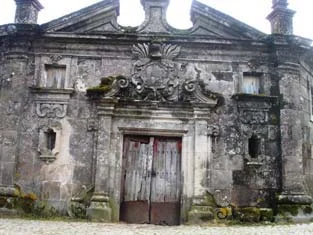
At Casa de Chouzas, three 19th-century granaries stand alongside the manor house highlighted by the municipality. The group connects two functions: living and storing the harvest. Rather than looking only at the main house, it is worth recognising the importance of buildings supporting agriculture. The introduction to Vilar de Cunhas places this heritage in a landscape of plateau and mountain, shaped by farming and pastoralism. House and granaries can be read in that working context, although the source does not detail each property’s production. The house’s dating is less firm: the municipality presents it as perhaps 19th-century, while assigning the granaries to the 19th century. That difference should remain visible. The photograph accompanying the reading shows the portal, not the three granaries. The heritage reference does not confirm access to the group.

Municipal archive photograph: Casa de Chouzas.
Portal da Casa de Chouzas · photo of the municipal inventory; the granaries do not appear in this framework.ⓘ

Vamos experimentar?

  1. Look at the photo of the portal and list only the elements you can see.
  2. Compared to the three granaries mentioned in the text: what depends on the written description?
  3. Imagine a caption that distinguishes the frame of the photograph from the remaining patrimonial set.

An activity to try at your own pace, without collecting specimens.

Open a história e os seus recursos →
Sources of this proposal

My findings

An idea, a drawing or a question to go on.

YOUR LOCAL GUIDE

What would you like to discover?

Take a closer look.